
Subaru has long cultivated a unique identity in the automotive world, characterized by ruggedness, adventure, and unwavering loyalty from its customer base. When the brand ventured into the electric vehicle (EV) space with the Solterra, built on a shared platform with Toyota, the question was whether it could translate that beloved Subaru DNA into an electric package. The initial 2024 Solterra offered a hesitant answer, feeling more like a necessary step in electrification than a true embodiment of Subaru’s core values. In a competitive EV market, it struggled to stand out. Now, with the 2026 mid-cycle refresh, Subaru aims to address the Solterra’s most significant shortcomings, seeking to inject more character and capability into its electric offering. This isn’t a radical redesign, but a pragmatic evolution, leveraging the existing architecture while attempting to carve out a more distinct identity. This review delves into whether these updates are enough to make the Solterra a true Subaru in spirit, or if it remains fundamentally tied to its collaborative origins.
Addressing the Core Weaknesses: Powertrain and Range
The most critical areas for improvement in the 2026 Solterra lie in its powertrain and electric range, which were significant detriments to the original model. Subaru has responded by increasing the battery capacity from 71.4 kWh to 74.7 kWh. While this might seem like a modest gain, the impact on its EPA estimated range is substantial, jumping from a disappointing 227 miles for the 2024 model to a much more competitive 288 miles for the 2026 version. This improvement of over 60 miles represents a nearly 27% increase, effectively moving the Solterra from the lower end of the EV spectrum to a more viable position for daily driving and longer journeys. This extended range directly addresses ‘range anxiety,’ a primary concern for many EV buyers, making the Solterra a more practical and less compromise-laden choice. The refinement in energy management and battery technology, even in incremental steps, has yielded significant real-world benefits for ownership experience.
Beyond range, the power output has also seen a welcome boost. The standard Solterra now delivers 233 horsepower, offering a more assured and responsive driving experience compared to its predecessor. This increase, while not earth-shattering, contributes to a more pleasant daily commute and easier highway merging. However, for those seeking a more exhilarating drive, Subaru has introduced the Solterra XT. This variant significantly enhances performance by uprating the front motor to 223 horsepower, working in conjunction with the rear motor’s 117 horsepower for a combined output of 338 horsepower. This dual-motor setup provides a substantial surge in acceleration, injecting a much-needed dose of performance.
This tiered approach to performance and range, however, comes with a calculated trade-off. The more powerful Solterra XT experiences a slight reduction in range, with an EPA estimate of 278 miles, approximately 10 miles less than the standard model. This decision reflects Subaru’s strategy to cater to different buyer priorities: those who prioritize maximum efficiency and range versus those who desire enhanced performance. The pricing structure also reflects this differentiation, with the base Solterra starting at a competitive $38,495 and the XT model beginning at $42,895. These upgrades demonstrate Subaru’s responsiveness to market feedback, addressing key pain points that held back the initial Solterra. The crucial question, however, is whether these spec sheet improvements are enough to fundamentally alter the vehicle’s character and identity.
Driving Dynamics and Refinement: Finding the Subaru Soul
The driving experience of the 2026 Solterra aims to bridge the gap between its improved electric capabilities and the distinct character expected from a Subaru. The increased horsepower in the standard model, now at 233 hp, translates to a more confident acceleration from a standstill and during highway maneuvers. It feels less hesitant than the previous iteration, providing a more assured sense of progress. While this enhancement makes the daily drive more agreeable, it doesn’t quite reach the level of exhilarating performance that some might associate with Subaru’s turbocharged gasoline engines. It’s a competent improvement, offering a smoother, more responsive feel within the constraints of its platform.
Stepping up to the Solterra XT reveals the potential for genuine excitement, with its impressive 338 combined horsepower. The dual-motor setup delivers a potent surge of acceleration, making it a much more engaging vehicle to drive. This variant certainly injects a much-needed dose of performance, alleviating the feeling that the car is merely a functional appliance. However, even with this significant power increase, the underlying e-TNGA platform’s inherent characteristics mean it doesn’t quite achieve the raw, visceral driving dynamics of some dedicated performance EVs. It’s powerful and quick, but the distinction between powerful and truly sporty remains a nuanced one.
In terms of ride quality and handling, the Solterra strikes a balanced approach. It offers composed and stable driving, feeling secure through corners, which inspires confidence. The predictability of its behavior is a hallmark of Subaru engineering, but it doesn’t quite deliver the highly engaging feedback that driving enthusiasts might seek. The focus remains on providing a safe, comfortable, and predictable journey rather than making the drive itself an event. The inherent quietness of the electric powertrain contributes to a serene cabin experience, with road and wind noise effectively managed. This refinement enhances the sense of premium comfort, but it also means that the vehicle’s dynamic character, or lack thereof, is more apparent. Compared to rivals like the Hyundai Ioniq 5 or Kia EV6, which often exhibit more distinct driving profiles, the Solterra occupies a comfortable middle ground – competent and predictable, but lacking the same level of dynamic flair or unique personality.
Exterior and Interior Design: A Balancing Act
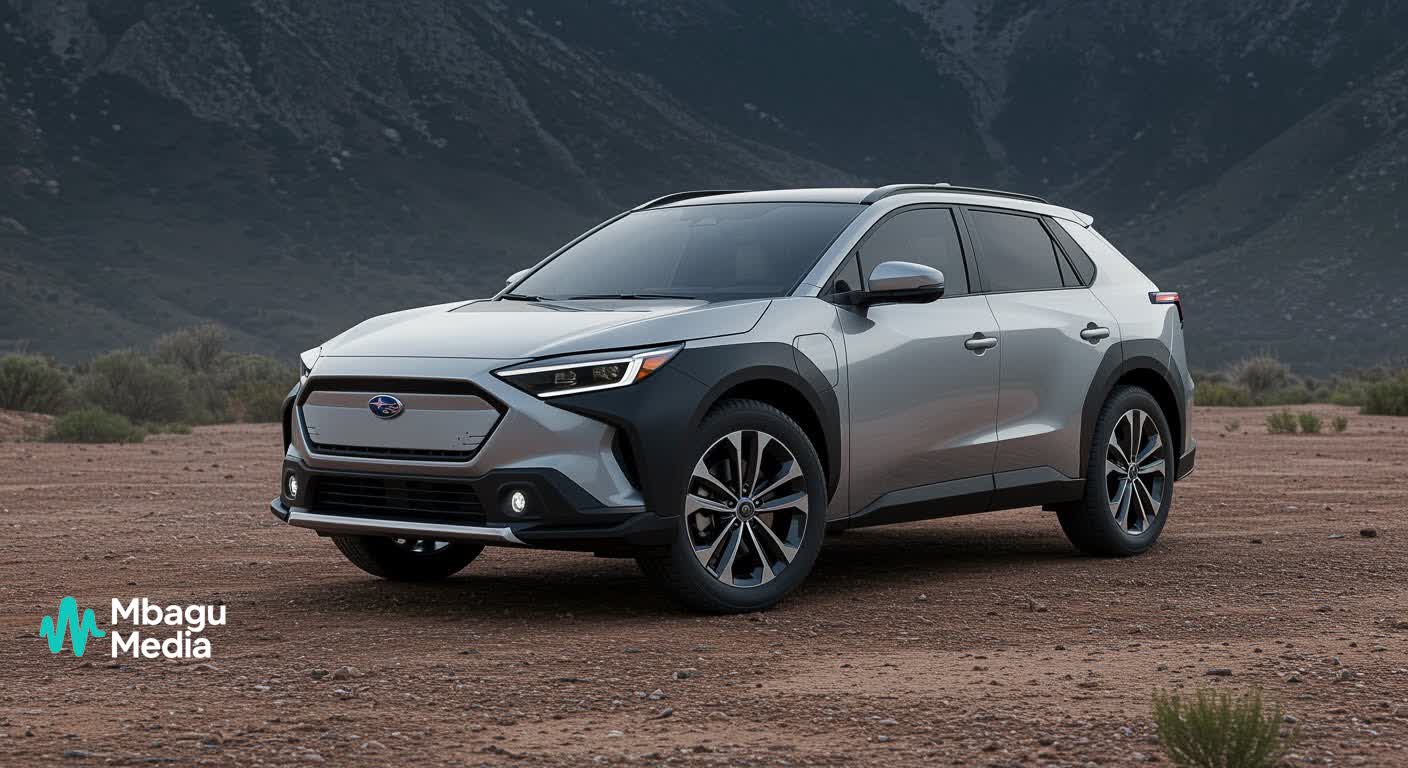
Subaru’s approach to the 2026 Solterra’s exterior design reflects the ongoing challenge of differentiating a vehicle built on a shared platform. While the front fascia has been revised with a new look, some have described it as having an ‘Autobot’ aesthetic, aiming for a more futuristic and distinct presence. These visual tweaks, including an illuminated logo, are attempts to inject a Subaru flavor. However, the fundamental silhouette and proportions remain largely unchanged from its Toyota counterpart, leading to observations that, from the side, it’s ‘nearly identical to the bZ.’ This highlights the delicate balancing act Subaru is performing: adding its styling cues without altering the underlying structure that is, in essence, Toyota’s. The result is a handsome SUV, but one where Subaru’s distinctiveness feels more like an overlay than an integral part of its design DNA.
Stepping inside the 2026 Solterra, the interior largely carries over the functional and well-built elements from its predecessor, which are rooted in Toyota’s design language. The cabin is logically laid out, and the materials are generally of good quality, contributing to a clean and modern aesthetic. However, it might lack the specific tactile feel or unique design flourishes that Subaru often infuses into its other models, such as the rugged, outdoorsy vibe found in a Forester or Outback. While comfortable and practical, the interior doesn’t actively cultivate a distinctively Subaru sanctuary. It feels more like a shared, functional space than a uniquely branded environment.
When it comes to infotainment and driver assistance systems, the Solterra aims to keep pace with industry standards. The touchscreen interface is responsive, offering essential features like Apple CarPlay and Android Auto. However, in comparison to some of the more cutting-edge systems available in rival EVs, it might feel a step behind, potentially lacking the fluidity or depth of features found elsewhere. The driver assistance suite, a known Subaru strength, is competent and enhances safety, but it’s more about meeting expectations than setting new benchmarks. These interior and technology offerings underscore the compromises inherent in platform sharing, where distinct brand identities can become diluted, forcing Subaru to work harder to make the Solterra feel authentically its own.
Charging, Practicality, and Brand Identity
A significant point of contention for the original Solterra was its charging speed, a crucial metric in the fast-evolving EV landscape. Recognizing this, Subaru has implemented improvements in the 2026 model. While the battery capacity saw only a modest increase, the DC fast charging capabilities have been enhanced. This addresses a major concern for potential buyers, ensuring that the updated Solterra is much more competitive and less likely to cause excessive waiting times at charging stations. It’s a necessary evolution that makes the vehicle a more practical proposition for longer trips and daily use where charging convenience is paramount.
In terms of practicality, the Solterra offers a respectable amount of passenger room, comfortably seating five individuals. The cargo area is also reasonably sized, providing adequate space for everyday needs, groceries, or moderate gear for outdoor activities. However, it doesn’t necessarily lead the segment in cargo volume, and the sloping roofline, while contributing to its profile, can slightly limit the height of items. It’s a functional space that meets general SUV requirements but doesn’t necessarily redefine utility.
Subaru’s deeply loyal customer base presents a unique challenge and opportunity for the Solterra. These owners often prize the brand’s commitment to utility, safety, and an adventurous spirit. The transition to electric requires an EV that embodies these core values. The improved range and power of the 2026 Solterra make it a more compelling option than before, but the question remains whether its shared platform origins dilute that distinctly Subaru feeling. The brand is attempting to appeal to both existing loyalists looking for electric options and new EV buyers focused on range, charging, and technology. The Solterra’s enhanced range is crucial for appeasing those who need to cover longer distances, and the XT variant’s horsepower boost offers a taste of performance that aligns with the brand’s heritage. Yet, the interior and technology, while competent, don’t quite capture the rugged, quirky charm that Subaru owners might expect, further highlighting the difficulty in infusing a shared platform with a unique brand identity.
Subaru’s Electric Future: The Solterra’s Role
As Subaru navigates the rapidly shifting automotive landscape towards electrification, the Solterra’s journey is a pivotal part of its strategy. The brand’s initial foray into EVs, leveraging the partnership with Toyota and the e-TNGA platform, has been a pragmatic approach to accelerate development and manage costs. This collaboration allows Subaru to introduce a range of electric vehicles, including the Solterra, Uncharted, and Trailseeker, without the immense undertaking of developing bespoke electric architectures from scratch. However, this reliance on shared platforms inherently presents challenges in establishing a distinct brand identity that resonates with Subaru’s loyal customer base.
The 2026 Solterra’s mid-cycle refresh signals a clear intent from Subaru to refine its EV offerings and respond to market feedback. It addresses critical shortcomings in range and performance, transforming the vehicle into a more competitive contender. Yet, it also raises questions about Subaru’s long-term EV development plans. Will the brand continue to rely on platform sharing, or are they investing in developing their own in-house EV technology for future generations? The success of the current Solterra and its siblings will undoubtedly influence these strategic decisions.
In the intensely competitive electric SUV segment, the Solterra faces formidable opposition. While its value proposition has significantly improved with better range and power, it must still contend with rivals that may offer greater range, faster charging, or more distinctive driving experiences. The Solterra’s ultimate success will hinge not just on its technical specifications but on Subaru’s ability to imbue future electric vehicles with that authentic Subaru character—a sense of adventure and unpretentious capability—that transcends its collaborative origins. The Solterra is no longer just a placeholder; it’s a statement of intent, a crucial step in Subaru’s ongoing narrative of adapting its rugged identity to the electric era, even if it carries the echoes of its partnership.
| Factor | Strengths / Insights | Challenges / Weaknesses |
|---|---|---|
| Powertrain & Range | Significant increase in EPA estimated range (227 to 288 miles) and power output (233 hp standard, 338 hp XT). Addresses key consumer concerns. | XT model sacrifices some range for performance. Underlying platform may limit ultimate performance potential compared to dedicated performance EVs. |
| Driving Dynamics | More responsive and assured acceleration. Stable and predictable handling inspires confidence. Quiet and refined cabin experience. | Lacks the engaging feedback and sporty character of some rivals. Feels competent rather than thrilling, particularly in standard trim. |
| Exterior/Interior Design | Revised front fascia attempts to add distinctiveness. Interior is functional, well-built, and logically laid out. | Exterior design heavily influenced by shared platform, lacking strong Subaru identity from certain angles. Interior feels more ‘Toyota’ than distinctly Subaru, missing rugged charm. |
| Charging & Practicality | Improved DC fast charging speed addresses a major previous drawback. Offers respectable passenger and cargo space for typical SUV use. | Cargo volume is not segment-leading. Charging speed, while improved, may still trail the fastest in class. |
| Brand Identity & Strategy | Addresses loyal customer base’s desire for electric options. Pragmatic use of shared platform accelerates EV entry and manages costs. | Difficulty in infusing a strong, unique Subaru identity into a platform-shared EV. Success of this approach impacts future EV development strategy. |
Conclusion
The 2026 Subaru Solterra represents a significant and necessary evolution, addressing the critical shortcomings of its predecessor in range and performance. The substantial improvements make it a far more viable and competitive option in the crowded electric SUV market. Subaru has listened to consumer feedback, enhancing the battery capacity and power output to meet modern EV expectations. This refresh transforms the Solterra from a vehicle that felt like a compromise to one that can confidently compete on key metrics like driving range and acceleration, particularly in the XT variant. These upgrades are not merely incremental; they represent a fundamental shift in the Solterra’s capability and appeal, making it a more compelling choice for those seeking an electric SUV that can handle daily commutes and longer adventures.
However, the enduring challenge for Subaru lies in its reliance on a shared platform, which continues to shape the vehicle’s identity, or perhaps, its lack thereof. While Subaru has applied its styling cues and engineering tweaks, the Solterra’s inherent characteristics often echo its collaborative origins. The question is no longer whether the Solterra can perform its basic functions, but whether it can truly capture the adventurous spirit and unpretentious capability that define the Subaru brand. The exterior design, while updated, still bears a strong resemblance to its Toyota counterpart, and the interior, though functional, may not evoke the distinct Subaru ruggedness that loyalists appreciate. This highlights the delicate balancing act Subaru faces: leveraging partnerships for efficiency while trying to maintain brand distinctiveness.
Looking ahead, the 2026 Solterra is a crucial stepping stone for Subaru’s electrification strategy. It demonstrates a commitment to improving its EV offerings and adapting to market demands. The success of this refined Solterra will undoubtedly influence Subaru’s future investments in EV technology and platform development. For consumers, the Solterra now presents a more practical and performance-oriented choice, albeit one that still navigates the complexities of platform sharing. Subaru’s challenge moving forward is to infuse its electric vehicles with a more profound sense of authentic Subaru DNA, moving beyond the limitations of shared architecture to forge a truly distinct electric identity that resonates deeply with its dedicated customer base and attracts new enthusiasts alike.
Author

Mbagu McMillan
Mbagu McMillan is the Editorial Lead at MbaguMedia Network,
guiding insightful coverage across Finance, Technology, Sports, Health, Entertainment, and News.
With a focus on clarity, research, and audience engagement, Mbagu drives MbaguMedia’s mission
to inform and inspire readers through fact-driven, forward-thinking content.
Enjoy our stories and podcasts?
Support Mbagu Media and help us keep creating insightful content across Tech, Sports, Finance & Culture.
☕ Buy Us a Coffee
Leave a Reply